
Program guide
Wednesday, October 28, 2026
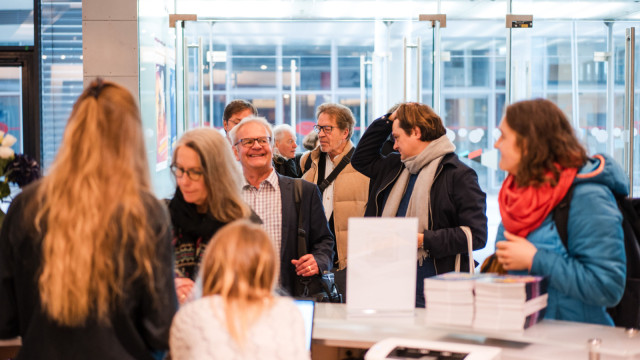
Come grab your badge and a coffee and give yourself some time to explore the playful interactive "We Are Gym" exhibition before the pitches start.
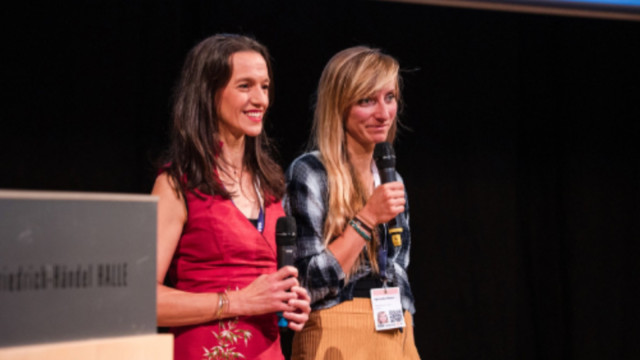
Projects of Dcampus 2026 will pitch for the first time to an international audience of key industry experts.
Nils Franck of Little Dot Studios Germany joins Adam Gee to discuss what is new for independent producers on YouTube.
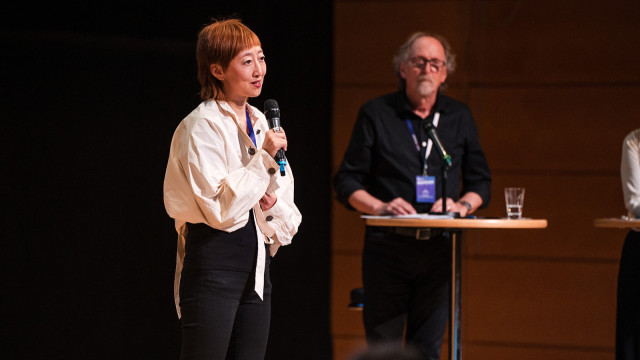
Projects of Dcampus 2026 will pitch for the first time to an international audience of key industry experts.
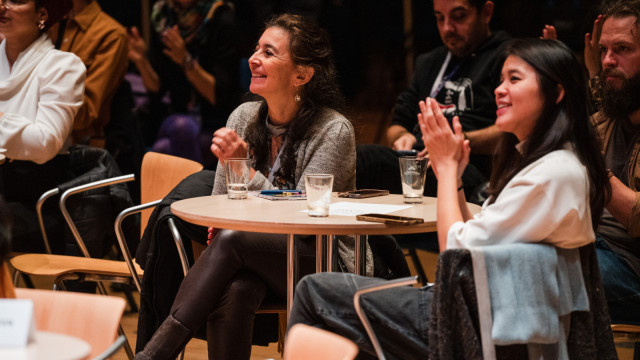
A workshop with the psychologist Professor Eva Asselmann on how to stay resilient and effective in times of change.
Thursday, October 29, 2026
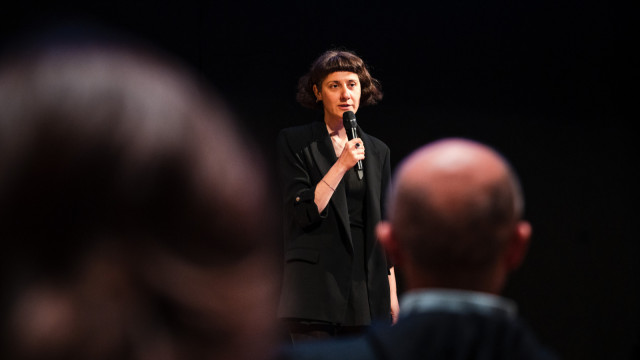
Projects of Dcampus 2026 will pitch for the first time to an international audience of key industry experts.
We’ll tell the story of MenstruAI, a smart pad designed for early disease detection in women, and take the audience on a journalistic journey through medical innovation, media hype, and scientific reality.
A conversation about Planet Octopus - a new, agile network for international coproductions
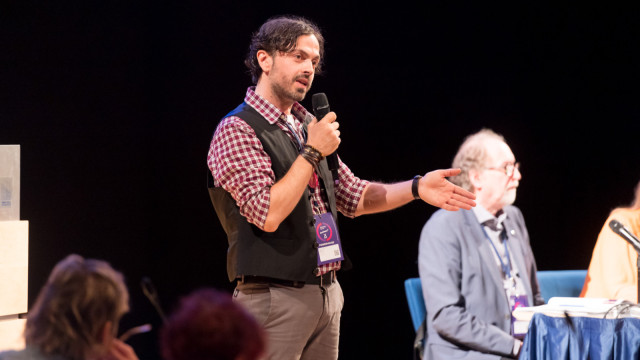
Projects of DCampus 2026 will pitch for the first time to an international audience of key industry experts.
When movement becomes a mental challenge: In this workshop, participants will experience how simple exercises challenge the brain, sharpen focus, and offer a whole new way of experiencing coordination — in a surprising, playful, and interactive way.
Exhaustion, pain, menstrual issues: Few areas currently offer as much potential for improvement as women’s health. Drawing on research from Quark’s Studio Q, we’ll discuss why women’s health issues often go undiagnosed, what consequences this has for those affected, and how new markets are emerging as a result.
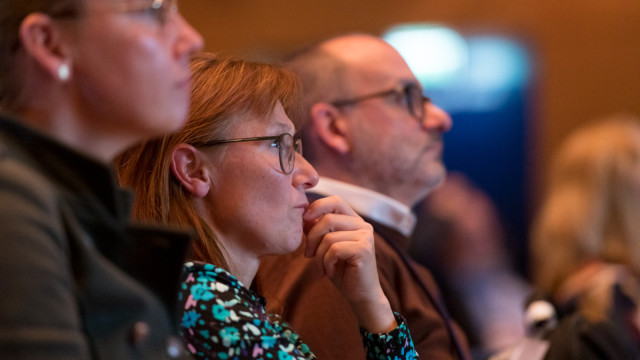
A session exploring the latest in crowdfunding documentary projects.
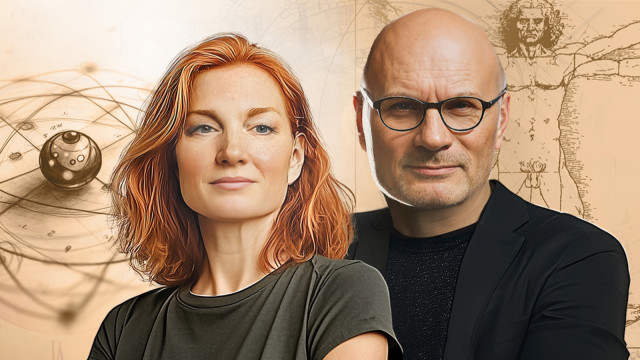
Why are some diseases diagnosed later in women? Why don’t medications work the same way for everyone? Women and men don’t always get sick in the same way. Symptoms are perceived differently, diagnoses are made with varying frequency, and treatments don’t work the same way for everyone. Gender medicine aims to better understand these differences and help make healthcare more equitable.
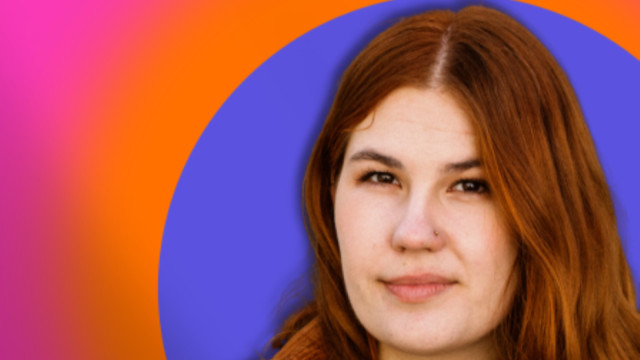
The BR program “Die Frage” (eng. The Question) explores topics that people are thinking about and for which there are no quick or easy answers. It focuses on personal experiences, different perspectives, and the search for answers. The stories are available as podcasts and on YouTube.
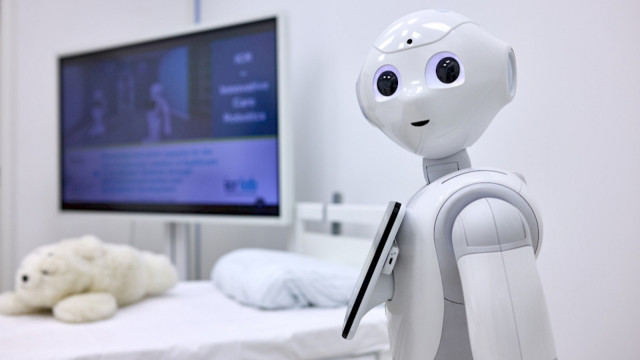
Care robots, AI, or intelligent assistance systems—what technologies do we want for the future of care? In this workshop, participants will use a creative storytelling method to develop their own future scenarios.
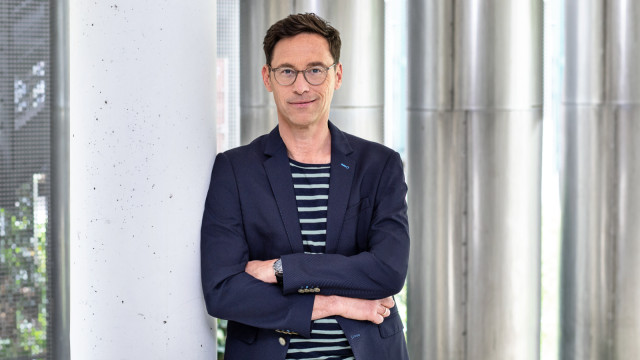
Wildfires are getting out of control with increasing frequency in Europe. In 2025, more than one million hectares of forest burned. Even modern technology is reaching its limits. How will we live with fire in the future?
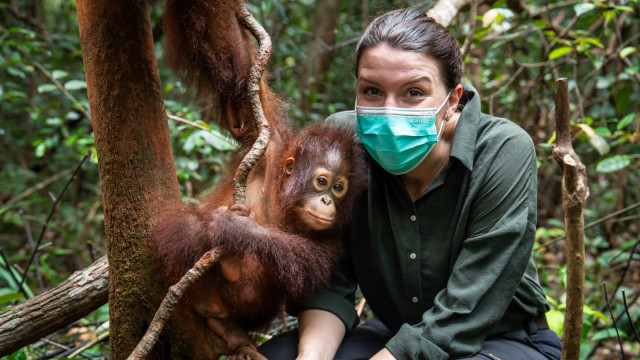
How can we better protect animal species around the world? An adventurous journey through our planet’s wild nature!

In this special live episode of Quarks Daily, host Sebastian Sonntag, psychology author Christiane Tovar, and our nutrition and fitness expert Sophie Kuhlmann explore the question: Which decisions actually contribute to our future health?
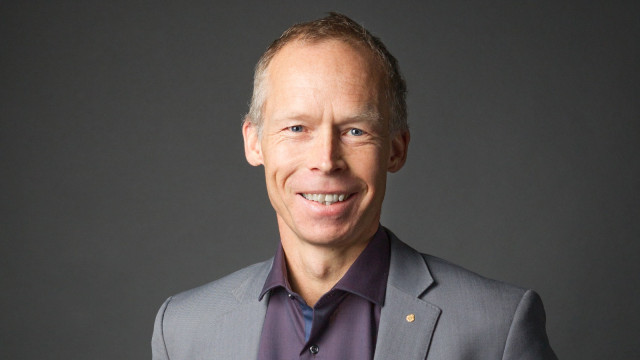
Protecting our environment is not just an exercise for plants and animals, it translates directly to protecting ourselves, because Planetary Health is Public Health. But currently, planet Earth is well outside of being a safe operating space for humanity.
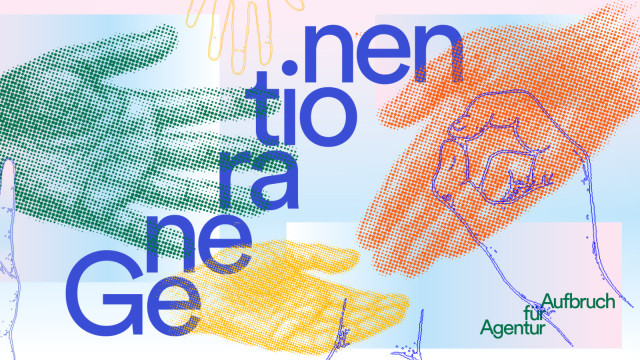
How much of the experience of the Wende is reflected in today’s energy transition in eastern Germany – and what does this mean for shaping the future of these regions?
Friday, October 30, 2026
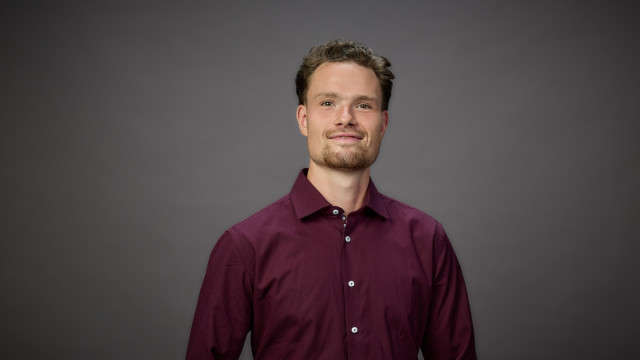
How simple exercises challenge the brain and offer a new way to experience coordination.
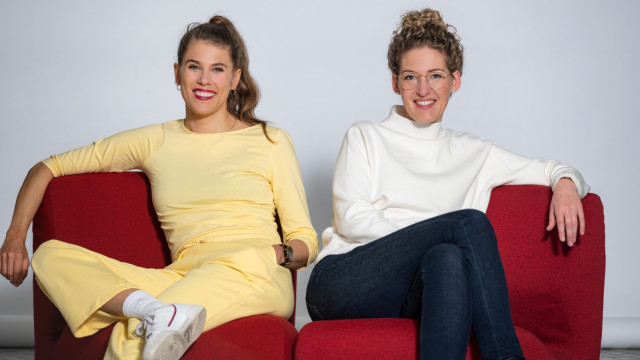
Whether it’s the 5am Club, sleep-tracking apps, or dietary supplements, the trend is toward constantly optimizing sleep. But what really works, and what doesn’t? Sleep researcher Dr. Christine Blume and science journalist Ilka Knigge discuss this on the Deutschlandfunk Nova podcast “Über Schlafen.”
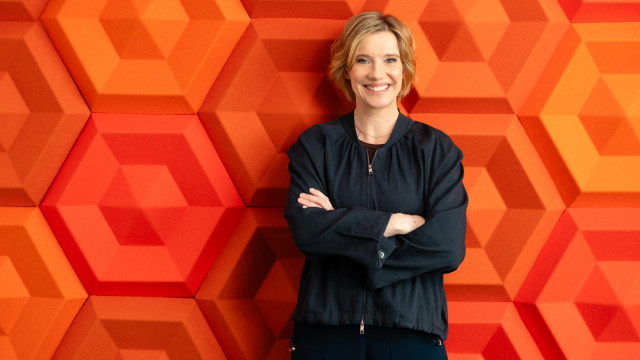
From Event to Broadcast: How does a news broadcast emerge from the daily flood of reports? Which topics are important, what will be the lead story on the 7 p.m. news, which report will become an Instagram post—and what will be featured live on YouTube?
What do literature and TV series reveal about the (self-)assessment, control, and availability of women’s bodies? Together, we will read and discuss works of fiction in which women’s bodies and their health or illness are the focus of surveillance.
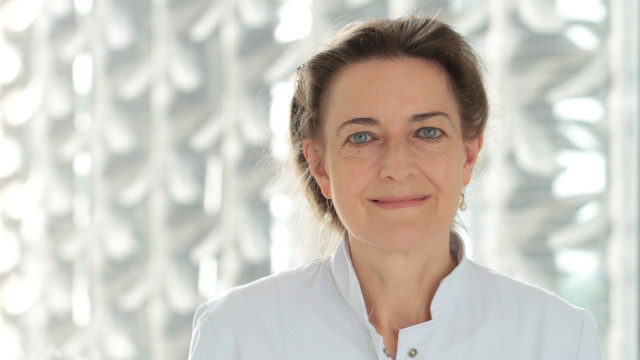
“Longevity” is on everyone’s lips: living longer, ageing more healthily – and, ideally, without having to make any sacrifices. In the Deutschlandfunk Nova podcast “Hörsaal”, doctor Ursula Müller-Werdan explains what really lies behind the longevity boom.
The “Know & Grow” series is your go-to source for all information on lifestyle medicine—all backed by scientific evidence. We're clearing up the confusion surrounding questionable treatments, supposedly harmless supplements, and concerning trends in the fitness community.
ME/CFS patients are fighting for visibility and for their lives: For years, those affected were let down by policymakers and the healthcare system. Now, research is gaining momentum—too late for some, but others still have hope.
“Utterly entertaining…. This book hits you like a good techno spinning class: fast-paced, sweaty, and not a second too long across its 192 pages.” — Thore Rausch, Süddeutsche Zeitung
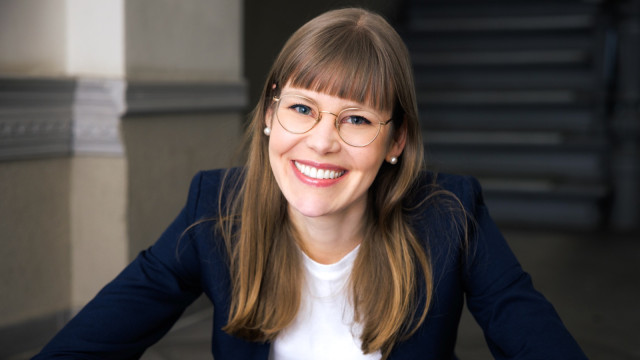
“Psychological knowledge is not a luxury, but an invisible resource from which resilience and community arise. Inner strength has never been as crucial as it is today.”
- Prof. Dr. Eva Asselmann
Saturday, October 31, 2026
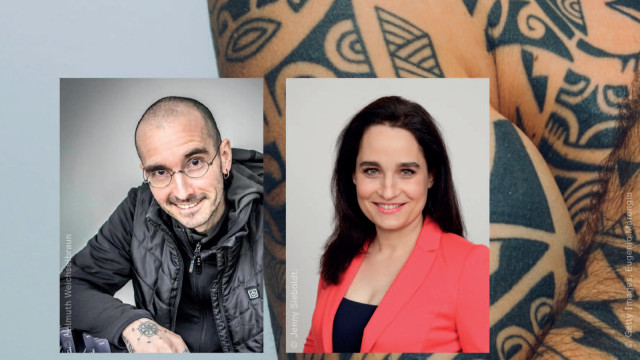
Tattoos are no longer a marginal phenomenon. Whether as a personal statement, a memory, or an expression of individuality, millions of people wear their stories on their skin. But why are tattoos so fascinating? What drives the desire for permanent body art, and what consequences might it have?
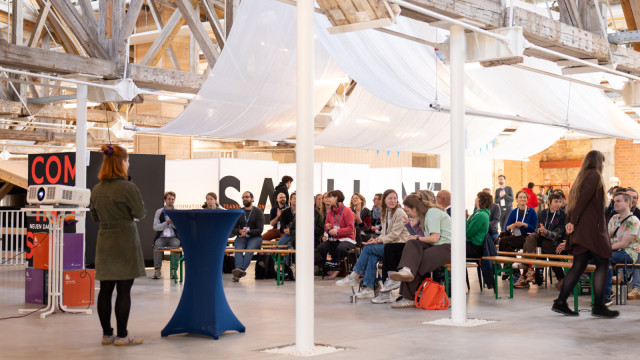
How do science and society communicate with each other—and how can understanding be achieved even on controversial topics? To kick off the third Regional Lecture, science2public’s Science Cube brings together current issues from the region with international perspectives from the world of research.
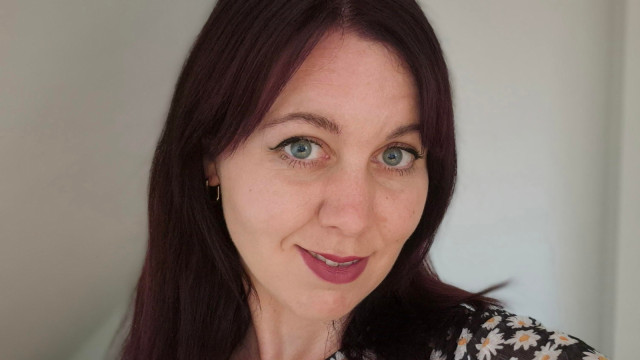
Why do we sometimes find it hard to put down our smartphones and step away from social media? And what impact does this have, in particular, on children, adolescents, and young adults?

“Don’t just add years to your life—add life to your years.” But what can we do ourselves to stay healthy, energetic, and productive for as long as possible? And what role do omega-3 fatty acids, cellular health, and silent inflammatory processes play in this?
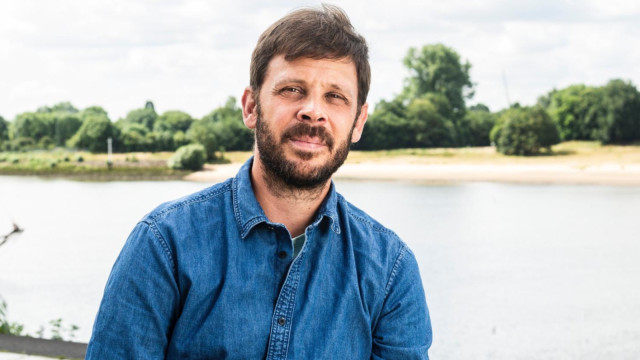
Obesity is a complex issue with many facets. Three short lectures will explore the topic from medical, social, and psychological perspectives.
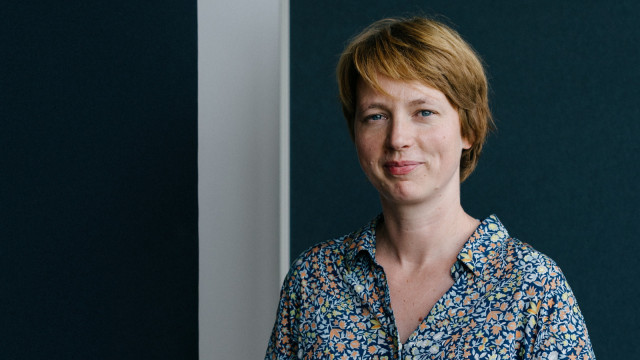
Finitude does not mean only death. It manifests itself in many transitions throughout life. How do we relate to what is ending and to what comes next?
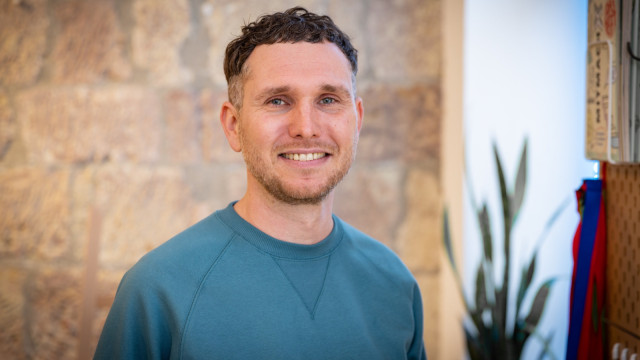
How much AI can medicine handle—and how much humanity does it need?
Artificial intelligence is transforming medicine: It analyzes vast amounts of data, recognizes patterns in images, and can assist doctors with diagnoses and treatments. But could AI one day be better at healing than humans?
Sunday, November 1, 2026
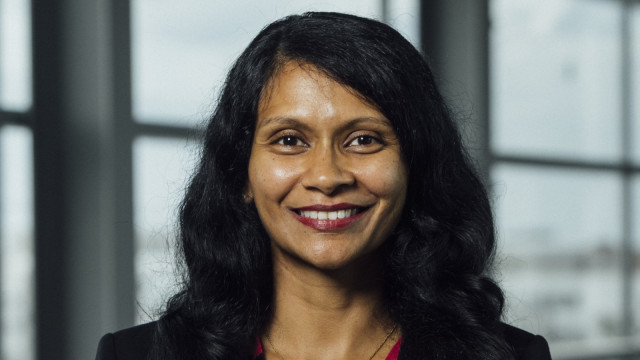
Soft, skin-like electronics and adaptive robotic tools are beginning to change how we understand and treat the human body. Wearable biosensors can continuously track chemical and physical signals from sweat, skin and movement, giving clinicians real-time insight into health without needles or hospital visits.
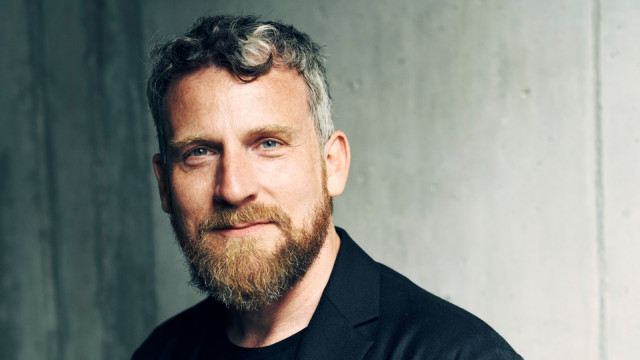
What does our closeness to machines and chatbots reveal about our emotional needs and the future of human relationships? Journalist and nonfiction author Christoph Koch tells the stories of people for whom AI has become an emotional companion.
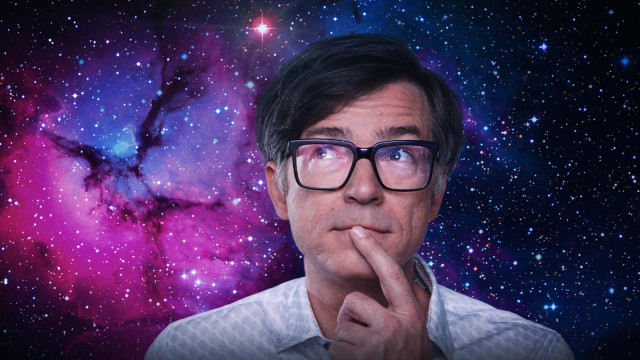
Ralph Caspers has been one of the most recognizable faces in science communication for many years. On SILBERSALZ, he answers the audience’s questions—big and small, serious and unusual.
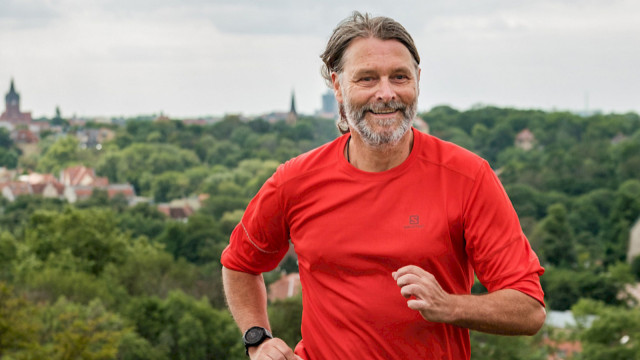
During this open Q&A session, experts in sports psychology, strength and fitness training, and endurance training will be on hand to answer your questions.
Monday, November 2, 2026
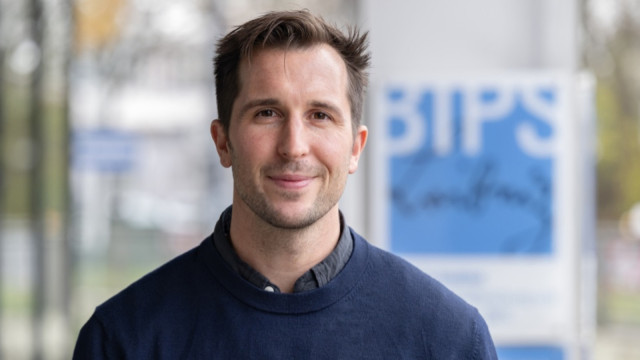
How does my participation in a large health study benefit research? And what happens to my data during the study?
