
Program guide
Wednesday, October 28, 2026
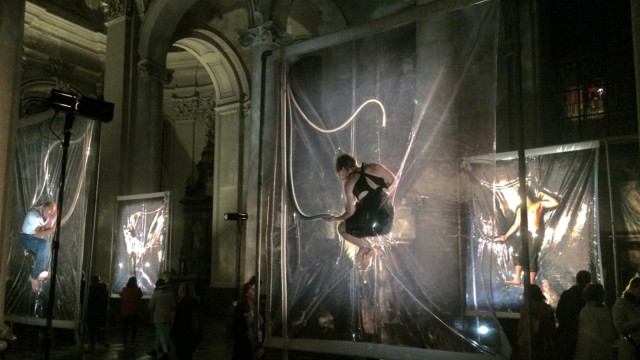
In the unique setting of St. Ulrich’s Church, SILBERSALZ 2026 kicks off with five days of festivities centered on the theme “Ich, verbesserlich?” The focus is on health in all its facets—and the question of the possibilities and limits of human optimization. The festival kicks off with a powerful opening: the performative installation SHRINK 01995 by the internationally acclaimed Belgian artist Lawrence Malstaf, who will be in attendance.
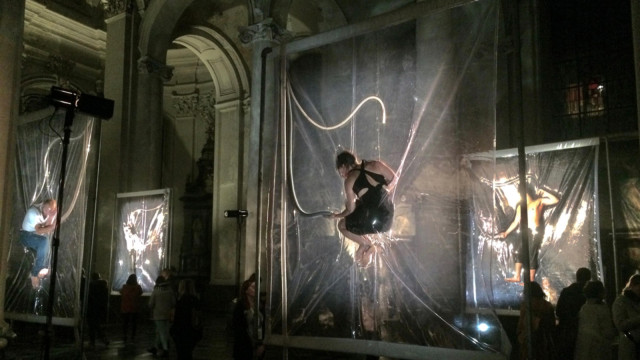
How does it feel when the human body suddenly becomes an exhibit?
Thursday, October 29, 2026
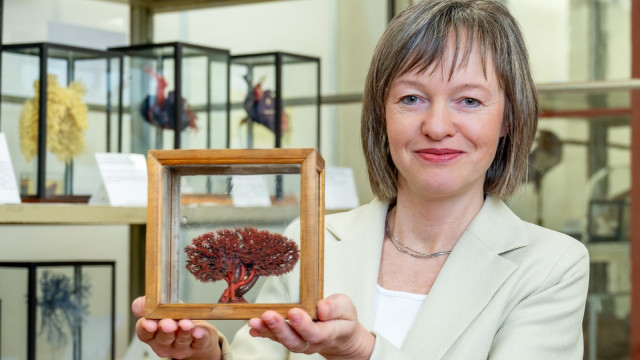
The Meckel Collections at Martin Luther University Halle-Wittenberg are among the most significant anatomical collections in Europe. Since the 18th century, they have preserved unique specimens, models, and historical artifacts related to anatomy and the history of medicine.
How does it feel when the human body suddenly becomes an exhibit?
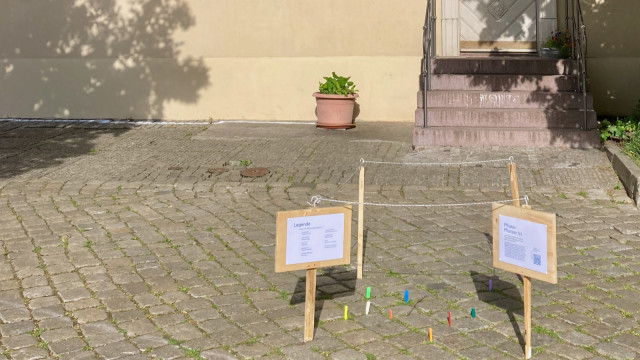
Who shapes the city—and who shapes change? A stroll through Halle opens up new perspectives on familiar places. This 90-minute walk through the city examens structural change from the perspective of youths.
How does it feel when the human body suddenly becomes an exhibit?
Join us as we celebrate the excellence in science storytelling and honour this year’s Science & Media Awards winners.
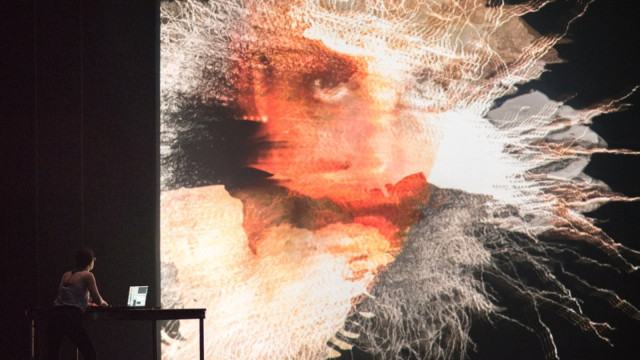
Immortelle is an atmospheric and figurative audiovisual performance illustrating the flights and falls of psychological endurance. Featuring a cathartic flux of sonic and visual fragments, this unpredictable piece opens a door onto how a mind in internal turmoil redefines the outside world.
Friday, October 30, 2026
Rita is dead. What remains are cassettes, letters, postcards, and the traces of five lives that underwent fundamental changes in the 1990s. Through fictional biographies, the story takes us back to a time when so much was possible and so little was certain.
(max. 5 players)
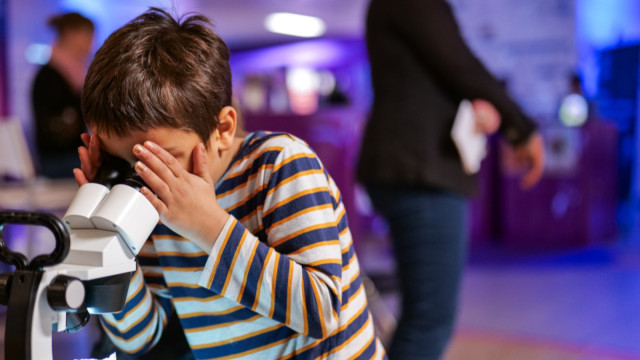
New jobs, new ideas, a region undergoing transformation—the Science Market showcases what structural change means for the region. Around 30 exhibitors will demonstrate how research, business, and innovation are shaping this local transformation. The event also features a diverse stage program, panel discussions, and workshops. Every day, a happy hour at the Lange Tafel invites visitors to mingle and relax.
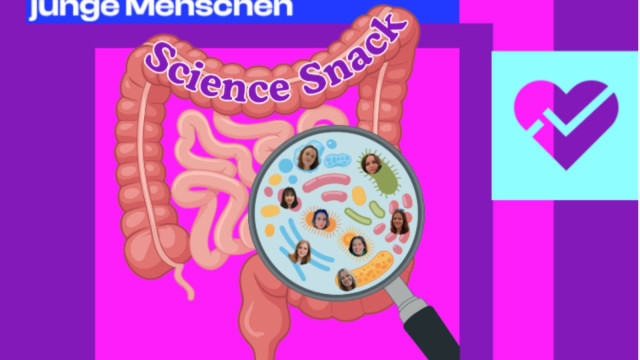
For several years now, an increasing number of young people have been diagnosed with colorectal cancer (early-onset colorectal carcinoma, EOCRC). The project “Science Snack: Colorectal Cancer Prevention for Young People” aims to educate people aged 20–45 about risk factors, the role of the microbiome, diet, fiber, exercise, as well as symptoms and prevention.
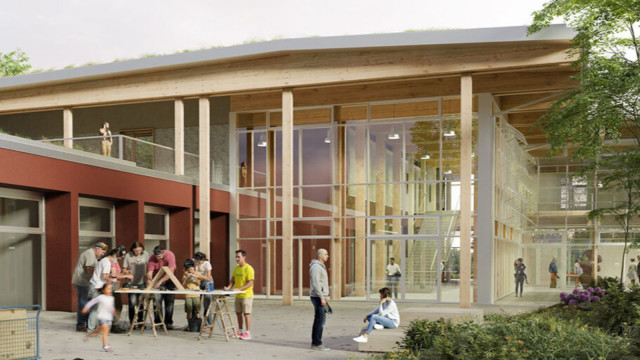
A new space for meeting, learning, and creating is emerging in Halle-Neustadt. The local community will help decide what activities will be offered there—and that process begins now. The City of Halle, in collaboration with the Just Transition Center, invites you to help shape the Neustadt Campus at the SILBERSALZ Festival.
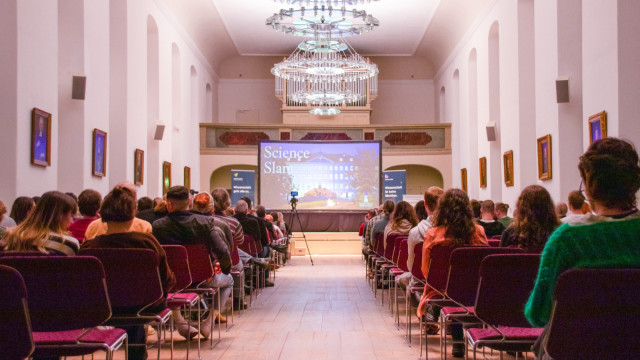
Science in a Nutshell: Here, the phase-out of coal takes center stage.
How does it feel when the human body suddenly becomes an exhibit?
How does it feel when the human body suddenly becomes an exhibit?
How does it feel when the human body suddenly becomes an exhibit?
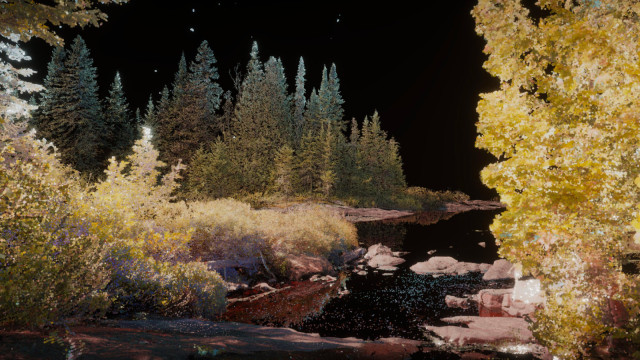
Trees communicate with each other at 220 hertz A/V (2026) is an immersive audiovisual performance combining moving image, generative sound, and biosensitive devices. The work is presented in dome projection and coupled with a modular synthesizer connected by electrodes to a living tree, whose bioelectrical signals feed the sonic flux in real time.
How does it feel when the human body suddenly becomes an exhibit?
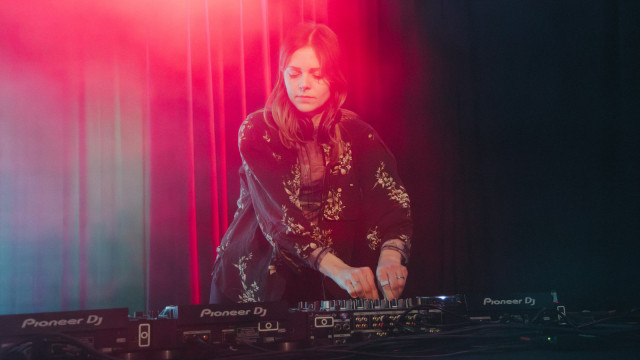
Sports are studied across many disciplines: in nutrition and materials science, in religious and cultural studies, and in mathematics and physics. Sports bring people together—and the sciences, too. To celebrate the Silbersalz Science & Media Festival, we’re bringing stories and faces from the 16th issue of Science Notes magazine to the stage. Sarah Wild will accompany the evening with a DJ set for your belly, legs—and mind.
Trees communicate with each other at 220 hertz A/V (2026) is an immersive audiovisual performance combining moving image, generative sound, and biosensitive devices. The work is presented in dome projection and coupled with a modular synthesizer connected by electrodes to a living tree, whose bioelectrical signals feed the sonic flux in real time.
Saturday, October 31, 2026
Rita is dead. What remains are cassettes, letters, postcards, and the traces of five lives that underwent fundamental changes in the 1990s. Through fictional biographies, the story takes us back to a time when so much was possible and so little was certain.
(max. 5 players)
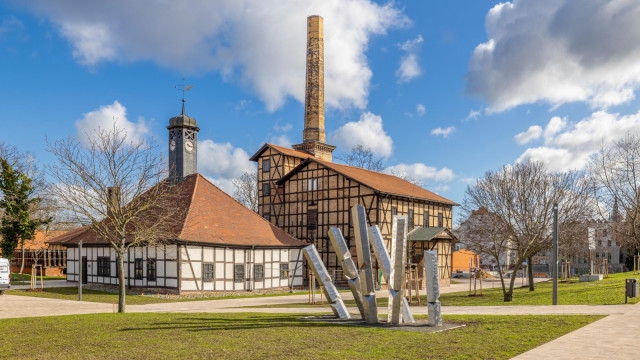
You’re invited to join us on a two-hour walk to the future sites of the “New European Bauhaus” in Halle (Saale).
New jobs, new ideas, a region undergoing transformation—the Science Market showcases what structural change means for the region. Around 30 exhibitors will demonstrate how research, business, and innovation are shaping this local transformation. The event also features a diverse stage program, panel discussions, and workshops. Every day, a happy hour at the Lange Tafel invites visitors to mingle and relax.
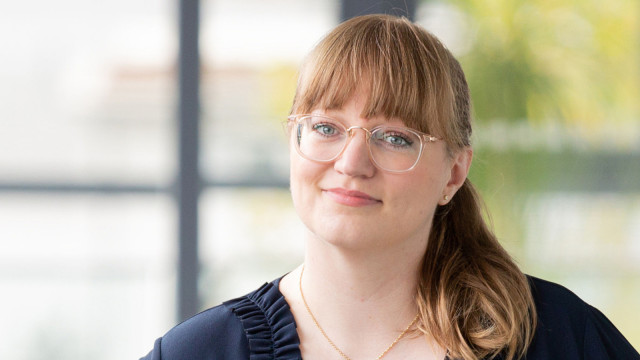
Your digital twin knows everything about you: lab results, sleep patterns, steps taken, genetic information. It simulates the progression of diseases, recommends treatments, and calculates risks. But who actually decides what data it collects and who is allowed to access it?
For several years now, an increasing number of young people have been diagnosed with colorectal cancer (early-onset colorectal carcinoma, EOCRC). The project “Science Snack: Colorectal Cancer Prevention for Young People” aims to educate people aged 20–45 about risk factors, the role of the microbiome, diet, fiber, exercise, as well as symptoms and prevention.
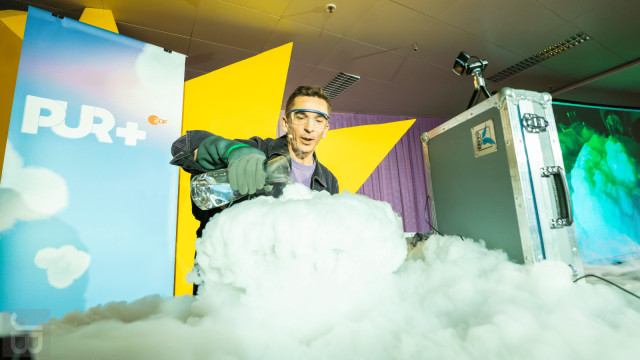
In the “PUR+” Live Lab, Eric Mayer—known from the ZDF science show “PUR+”— takes children and families on an interactive expedition through the world of knowledge. Together, they’ll guess, vote, experiment, and marvel. Exciting video clips, mind-blowing experiments, and extraordinary experiences from the show ensure plenty of “aha” moments.
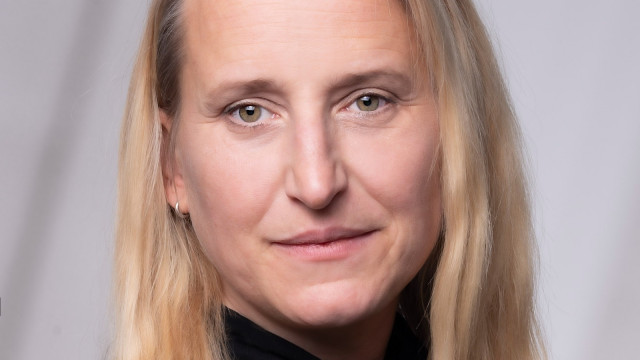
Your health data is valuable—for you, for research, and for others. Experience for yourself in an interactive role-playing game who benefits from it, and decide whom you’ll entrust it to.
Your health data is valuable—for you, for research, and for others. Experience for yourself in an interactive role-playing game who benefits from it, and decide whom you’ll entrust it to.
Sunday, November 1, 2026
Rita is dead. What remains are cassettes, letters, postcards, and the traces of five lives that underwent fundamental changes in the 1990s. Through fictional biographies, the story takes us back to a time when so much was possible and so little was certain.
(max. 5 players)
New jobs, new ideas, a region undergoing transformation—the Science Market showcases what structural change means for the region. Around 30 exhibitors will demonstrate how research, business, and innovation are shaping this local transformation. The event also features a diverse stage program, panel discussions, and workshops. Every day, a happy hour at the Lange Tafel invites visitors to mingle and relax.
In the “PUR+” Live Lab, Eric Mayer—known from the ZDF science show “PUR+”— takes children and families on an interactive expedition through the world of knowledge. Together, they’ll guess, vote, experiment, and marvel. Exciting video clips, mind-blowing experiments, and extraordinary experiences from the show ensure plenty of “aha” moments.
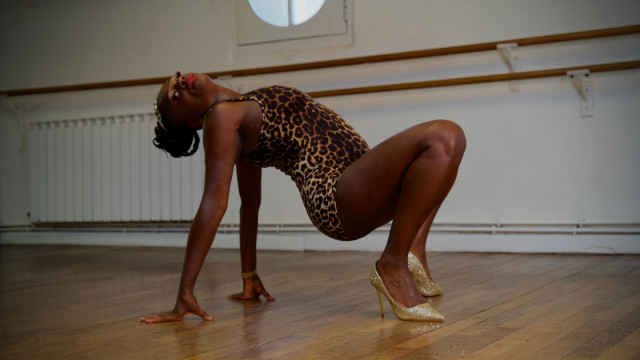
How do our bodies carry memory? How can movement transform the way we relate to ourselves and to others?
You’re invited to join us on a two-hour walk to the future sites of the “New European Bauhaus” in Halle (Saale).
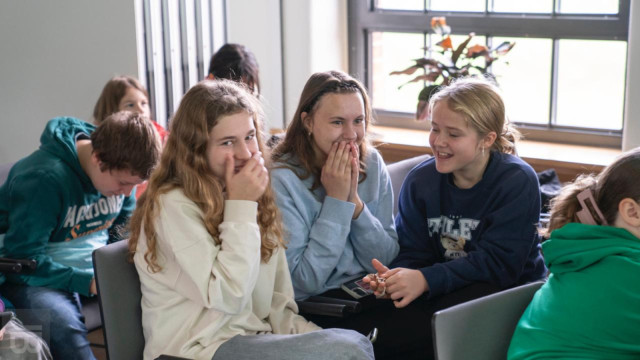
Workshop for teenagers (recommended for ages 11–14)
Take a look behind the scenes of our digital world.
Who shapes the city—and who shapes change? A stroll through Halle opens up new perspectives on familiar places. This 90-minute walk through the city examens structural change from the perspective of youths.
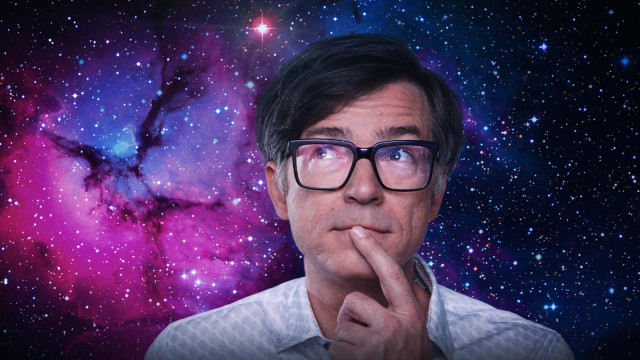
Ralph Caspers has been one of the most recognizable faces in science communication for many years. On SILBERSALZ, he answers the audience’s questions—big and small, serious and unusual.
